In an era increasingly captivated by instant results, there is something quietly reassuring about a landscape practice that measures success not in months, but in decades.
For more than thirty years, Sydney-based Secret Gardens has been designing, constructing and caring for some of Australia’s most distinguished private landscapes. Over that time, the practice has evolved into a multidisciplinary team of more than fifty landscape architects, designers, horticulturists, skilled tradespeople and artisans, united by a singular ambition: to create gardens that enrich the lives of those who inhabit them.
The release of the practice’s second book, Designing Private Realms, offers an opportunity to reflect on the philosophy that has shaped its work across hundreds of projects. The title itself speaks to an increasingly valuable commodity in contemporary life; private outdoor spaces that offer beauty, sanctuary and connection to nature.
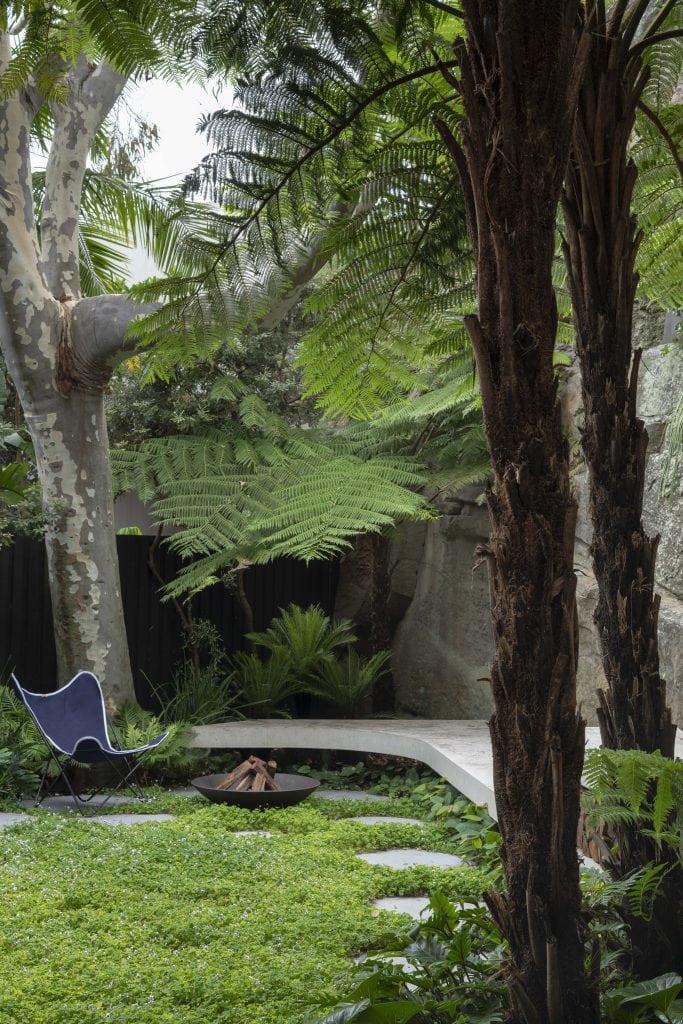
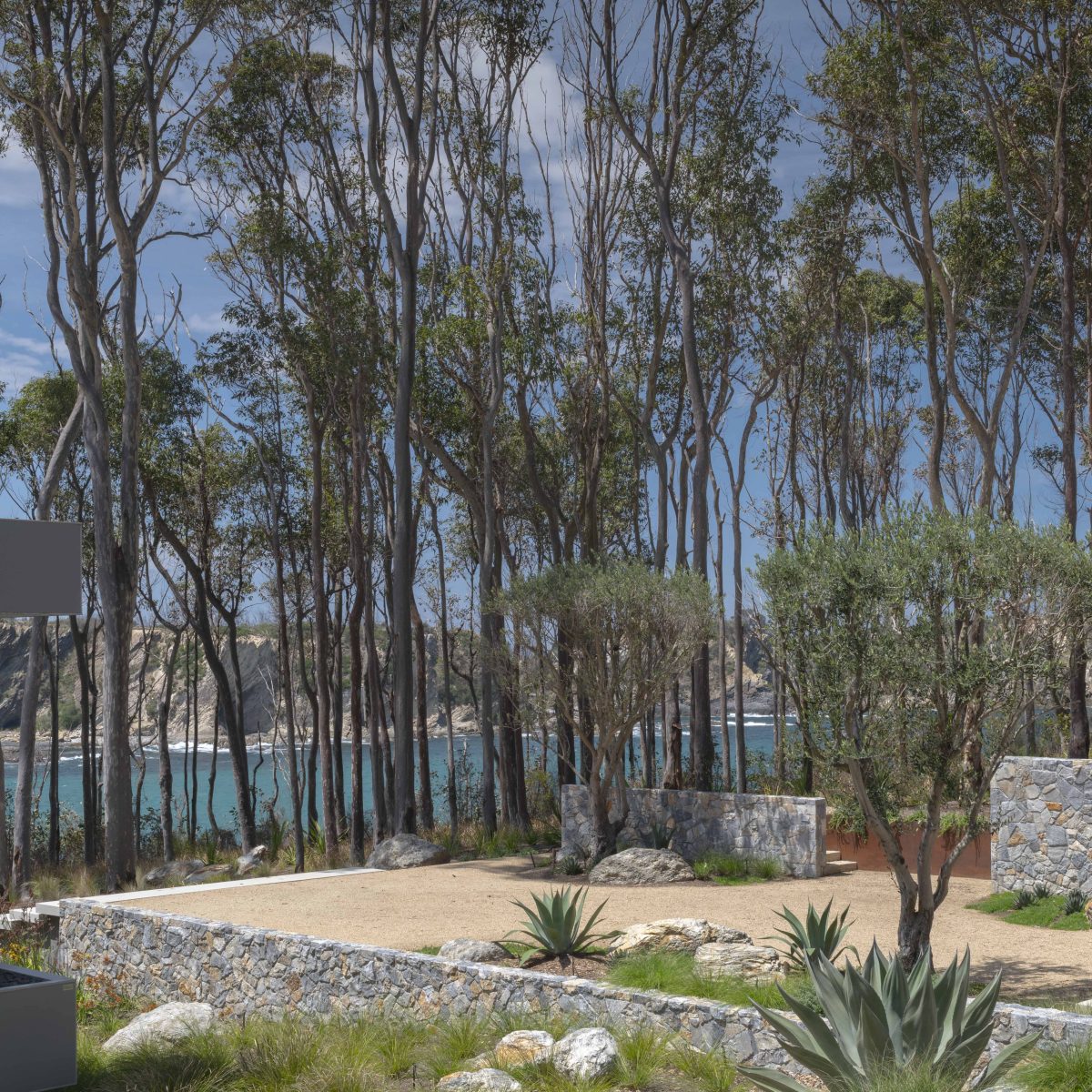
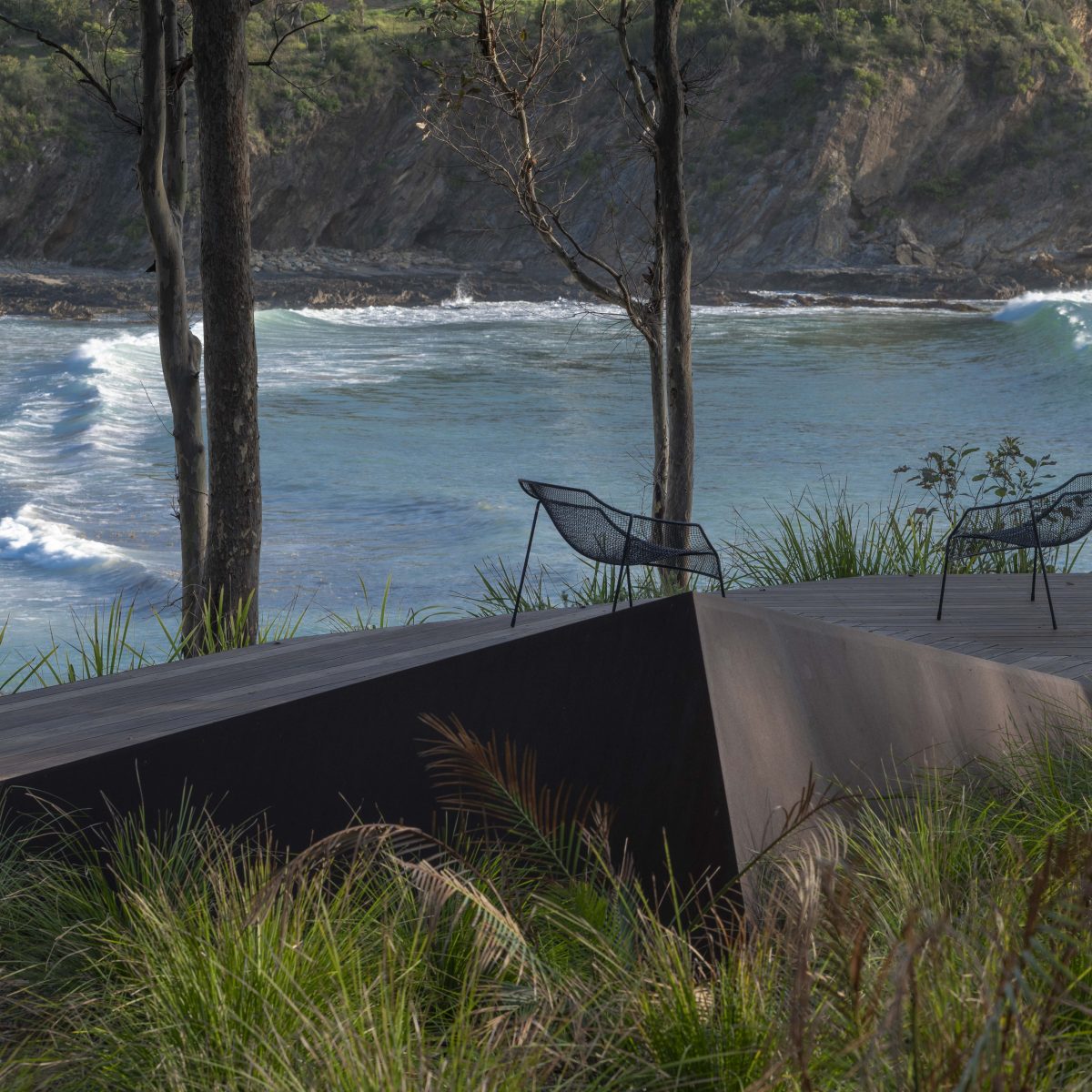
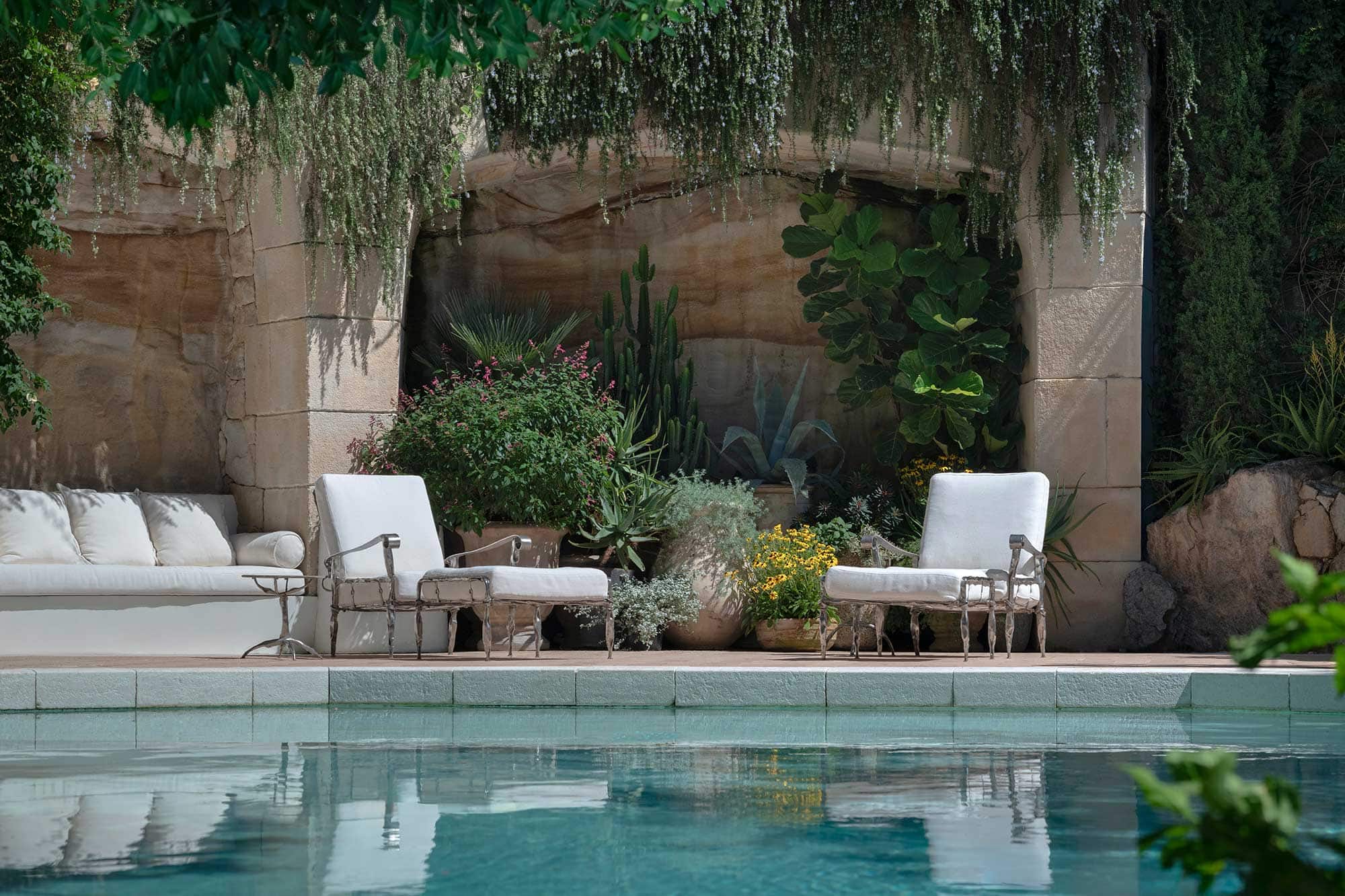
While the gardens featured throughout the book vary dramatically in scale and style, from intimate urban courtyards and rooftop terraces to expansive coastal properties and rural estates, a common thread runs through them all. Rather than imposing a recognisable house style, Secret Gardens approaches each project as a unique response to the people, architecture and landscape that define it.
This flexibility has become one of the practice’s defining strengths. Every client arrives with a different vision, every site presents its own opportunities and constraints, and every home demands a different relationship between architecture and landscape. The resulting portfolio is remarkably diverse, yet consistently united by a sense of balance, restraint and timelessness.
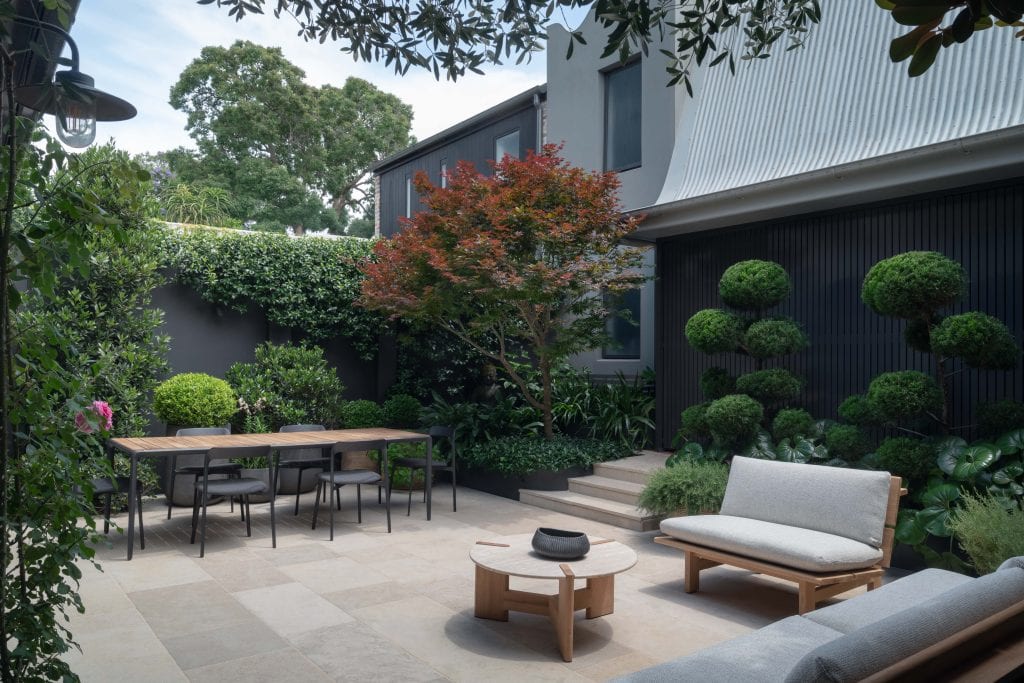
Central to the practice’s approach is the belief that gardens should never become overwhelmed by built form. Paths, terraces, walls and structures are carefully considered, but they are rarely the protagonists. Instead, they provide a framework that allows planting to perform its most important role. Bringing life, movement and seasonal change to a landscape.
Across the projects documented in Designing Private Realms, this relationship between structure and planting is evident. Mature trees are given room to express their character. Perennials and grasses soften architectural edges. Layered planting creates depth, texture and atmosphere. The gardens feel generous, not because they contain more elements, but because they carefully edit what is unnecessary.
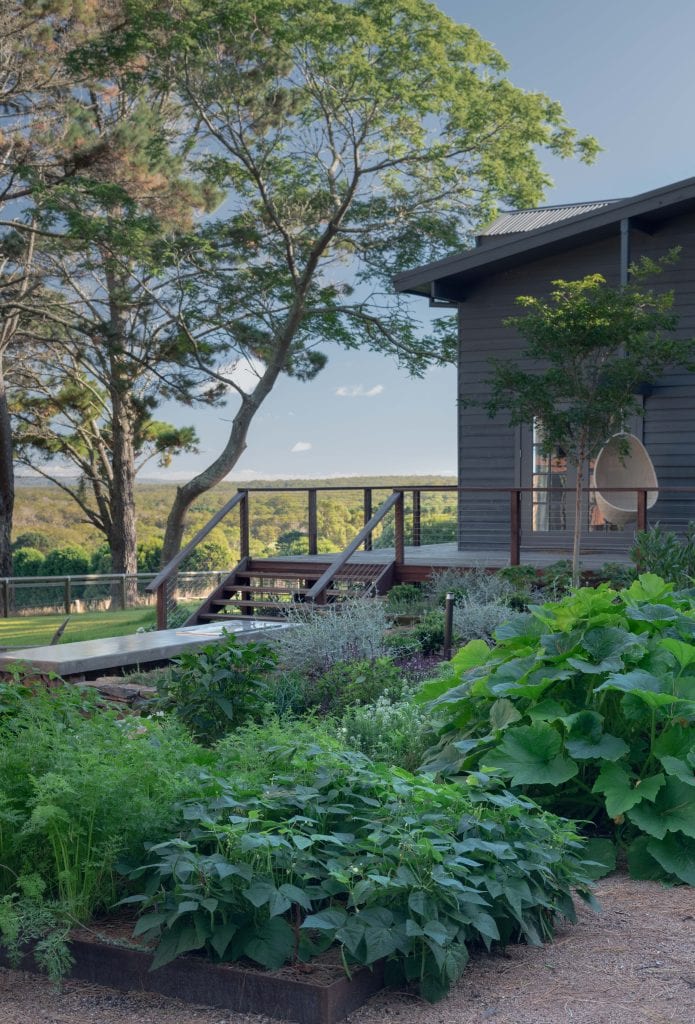
Yet perhaps the most distinctive aspect of Secret Gardens is not what is built, but what happens after completion.
Unlike many design practices, the company remains actively involved in the life of the landscapes it creates. Dedicated horticultural teams continue to manage many of the gardens for years, and often decades, after construction. This long-term stewardship allows the original design intent to mature and evolve, while responding to the changing needs of the families who inhabit them.
Children grow up, homes are renovated, entertaining habits change, and gardens adapt accordingly. What begins as a design commission often develops into a relationship spanning generations. In many respects, the practice’s work is less about creating finished landscapes and more about guiding living environments through time.
It is a philosophy that feels increasingly relevant. As homeowners seek deeper connections with their outdoor spaces, gardens are being valued not merely as visual assets, but as places that support wellbeing, foster relationships and enrich everyday life.
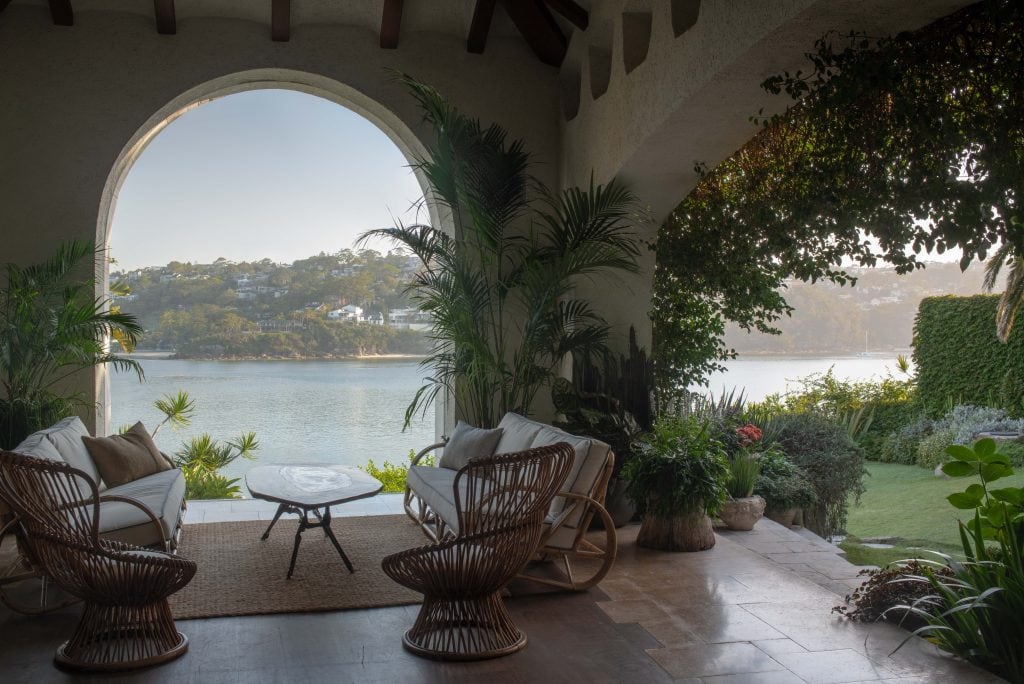
The landscapes presented in Designing Private Realms are a testament to this idea. They are not gardens designed to impress for a season or a photograph. They are landscapes intended to mature gracefully, becoming more beautiful and more meaningful with every passing year.
For Secret Gardens, that enduring relationship between people, place and time remains the ultimate measure of success.
Photography by Nicholas Watt